Our medspa confirms every growth is a skin tag before it is removed, then matches the in-office method to its size and location.
Upload a photo and preview how treatments at Ortho-Rejuv could look on you. Powered by Aesthetic Record’s Ageless AI.
See Your PotentialSkin tags, known medically as acrochordons, are small, soft growths of skin and soft tissue that hang from the surface on a thin stalk. They are benign. They usually appear where skin rubs against skin or clothing, which is why they gather in folds and creases.
They become more common with age, weight changes, pregnancy and hormonal shifts, and they can run in families. Most patients come to us because a tag catches on a collar, necklace or bra strap, becomes irritated, or simply bothers them where it sits.
Removing a tag does not change your health, but it can end the snagging and leave the area smoother and cleaner looking once it heals.
Some growths that look like skin tags are something else, such as a mole, a wart or another type of skin lesion. That is why we examine every growth before we remove it. Have a growth looked at promptly if you notice any of the following.
The size, shape or color is different from how it looked a few months ago.
It bleeds without being snagged, or keeps bleeding after a minor scrape.
A typical skin tag does not hurt, so tenderness or soreness is worth checking.
The color is very dark, patchy or different from your other tags.
It feels hard or sits flat against the skin instead of hanging on a stalk.
Growths on or close to the eyelid always need assessment before any removal.
If a growth does not look like a typical skin tag, we tell you plainly and do not treat it cosmetically.
Snipping, tying off or freezing a tag at home can seem quicker. It also skips the diagnosis and adds avoidable risk. Here is how the two approaches compare.
| What matters | At-home cutting, tying or kits | Removal in our office |
|---|---|---|
| Diagnosis | None. A look-alike growth can be mistaken for a tag. | Each growth is examined and confirmed as a skin tag first. |
| Bleeding and infection | Cutting or tying off can bleed and become infected. | Removal is done in a clinical setting with clean technique. |
| Scarring | Uneven removal can leave a scar or a remnant of the tag. | The method is chosen for the tag's size and location. |
| Delicate areas | Eyelids and skin folds are hard to reach and easy to injure. | We assess sensitive areas and advise whether removal is appropriate. |
| Aftercare | Guesswork if the area becomes red or sore. | Simple written steps and a team you can reach with questions. |
Skin tag removal is done in our Portland office during a short appointment. Every step is explained before anything is done.
We examine each growth, review your health history and confirm which ones are skin tags suitable for cosmetic removal.
Based on the size, number and location of your tags, we recommend the in-office removal method that fits and explain how it works.
The tags are removed as planned. Most patients feel only brief discomfort, and several tags can often be treated in one visit.
Small marks usually heal quickly. You leave with clear steps for caring for the area so it heals smoothly.

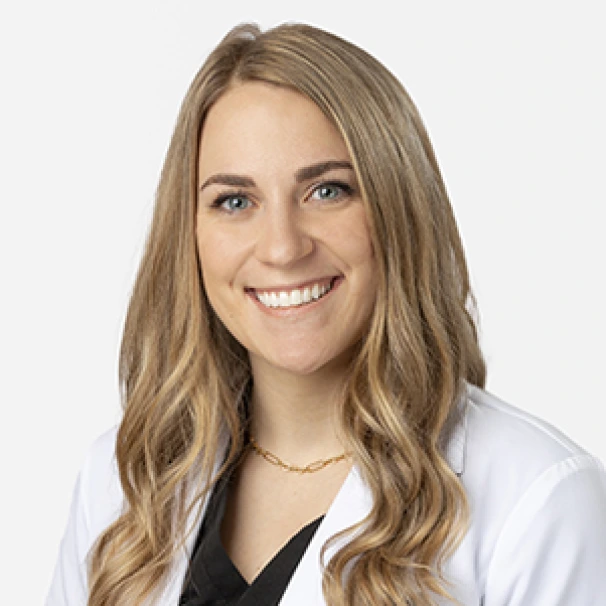
Dr. Natalie Mesnier founded Ortho-Rejuv Wellness and Aesthetics as a medical practice, so a growth on your skin is looked at with a clinical eye before it is treated as a cosmetic concern.
Today our team of Certified Advanced Estheticians and medical staff provides our treatments, including in-office skin tag removal.
"Everyone was very knowledgeable, extremely caring and took the time to understand what I wanted."
Susie Fung, Google review
The cost of skin tag removal depends on how many tags you have, their size and where they are. We quote your pricing at your evaluation, so you know exactly what to expect before treatment begins.
See our treatment menu and current pricing on our medspa pricing page.
View Medspa PricingMany patients choose to spread the cost of their care into monthly payments through our financing partner, Cherry.
Explore FinancingAnswers to what patients ask us most about skin tags and their removal. Anything else is easy to cover at your evaluation.
Skin tags are benign growths and are not a health risk on their own. Some growths that look like skin tags are something else, so any growth that changes, bleeds or hurts should be examined before it is treated.
We do not recommend it. Cutting, tying off or freezing a tag at home can lead to bleeding, infection and scarring, and it skips the step of confirming the growth is really a skin tag.
Most patients feel only brief discomfort. We explain what you can expect for your specific method before we begin, so nothing comes as a surprise.
A tag that has been removed does not usually return. New skin tags can still form over time in the same areas, and we can treat those at a later visit.
Often, yes. We plan how many tags to treat per visit at your evaluation, based on their size, number and location.
Tags near the eyes need extra care. We assess them first and tell you whether in-office removal is appropriate for that location.
Skin tags tend to form where skin rubs against skin or clothing. They become more common with age, weight changes, pregnancy and hormonal shifts, and they can run in families.
We examine each growth and review your health history before recommending removal. If a growth does not look like a typical skin tag, we tell you and do not treat it cosmetically.
Have your skin tags examined and removed in a short visit at our Portland medspa.